WELCOME TO DEOM
Benefit from exclusive offers, updates & more by joining ournewsletter
 GOOFY PACKING
Beyond the Vessel: The Emotional Design Evolution of Kraft Paper Bags (2026 Outlook)
2026-01-07 16:42:50
Click:
“
Beyond the Vessel: The Emotional Design Evolution of Kraft Paper Bags (2026 Outl
”
Beyond the Vessel: The Emotional Design Evolution of Kraft Paper Bags (2026 Outlook)
A minimalist kraft paper bag sits on a boutique counter in Milan, its surface adorned only with a single embossed line drawing that seems to glow under a matte UV coating. This isn't packaging; it's the prelude to an unboxing ritual.
The most compelling packaging of 2026 no longer shouts. It communicates through texture, unfolds with intention, and is designed for a second, purposeful life. The humble kraft paper bag has evolved from a utilitarian carrier into a pivotal touchpoint of brand philosophy and sustainable practice. This report outlines the key design trends set to define its trajectory in 2026.
01 Morphological Innovation, A Quiet Structural Revolution
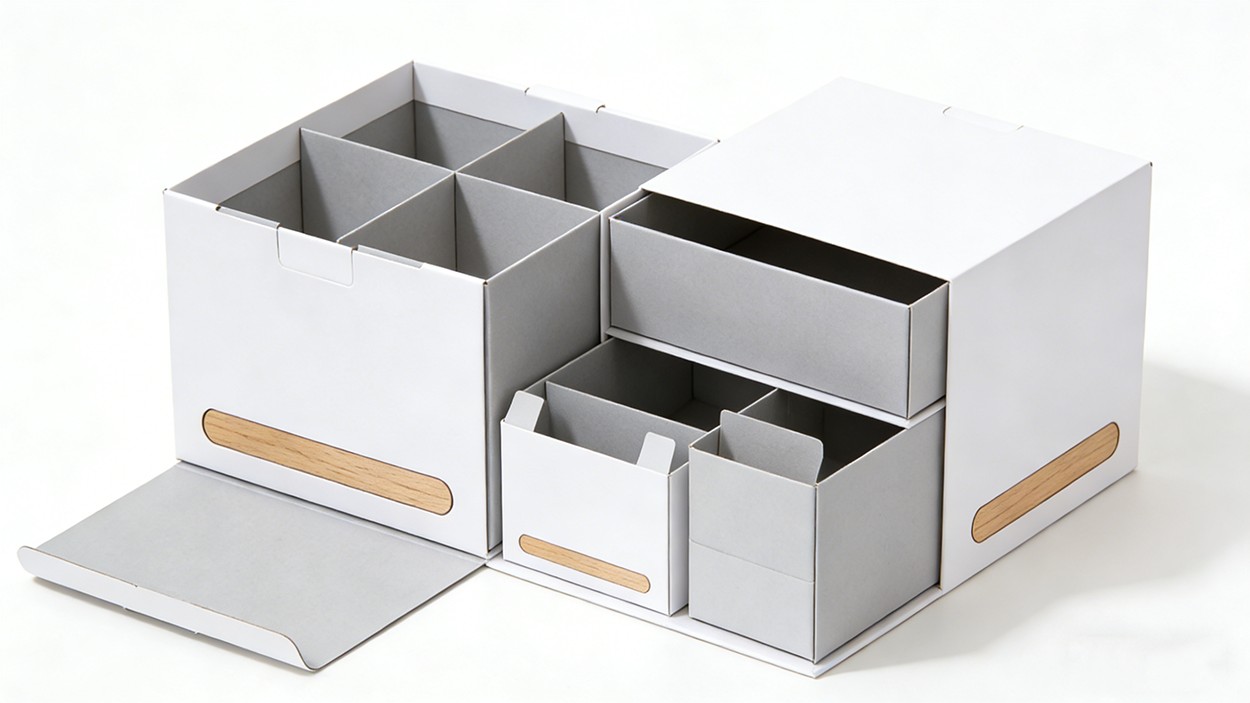
The defining trend for 2026 is Intelligent Structural Minimalism. Designers are moving beyond novelty cuts to create structures that are intuitive, space-efficient, and reduce material use through clever engineering.
- Flat-Pack Origami Structures: Expect a surge in bags that arrive perfectly flat, unfolding into rigid, self-locking boxes with integrated handles. These designs slash logistics costs and storage space by over 50%, appealing directly to D2C and e-commerce brands focused on efficiency. The user assembly, taking mere seconds, adds a subtle layer of interactive engagement.
- Asymmetric & Organic Silhouettes: Inspired by natural forms, bags will feature soft, irregular curves and asymmetrical openings. This trend counters the predictability of rectangular boxes, creating a more tactile and artisanal feel, perfect for cosmetics, craft goods, and premium food items.
- Multi-Compartment & Modular Bags: For gift sets or product combinations, single bags with clever internal dividers or attached smaller pouches will become standard. This modular approach eliminates the need for secondary packaging, offering pristine organization in a single, elegant unit.
2026 Application Spotlight: A leading sustainable sneaker brand is pioneering a 'one-bag system' where its flat-pack origami bag unfolds to become both the shipping box and a high-end retail carrier, featuring a dedicated compartment for the old shoes being recycled.
02 Haptic Narrative, The Language of Touch
In 2026, touch becomes as important as sight. The trend is Purposeful Texturing, where every material choice tells a story of origin, quality, or sustainability.
- Engineered Natural Fibers: Beyond standard kraft, look for bags incorporating visible, textured fibers from banana leaves, coffee husks, or seaweed. These materials provide a unique, irregular texture and naturally tell a waste-reduction story. Their inherent color variations mean no two bags are identical.
- Advanced Functional Coatings: Bio-based, water-resistant coatings derived from corn starch or chitosan will become mainstream. These coatings protect contents without compromising compostability, answering the demand for durability paired with end-of-life responsibility.
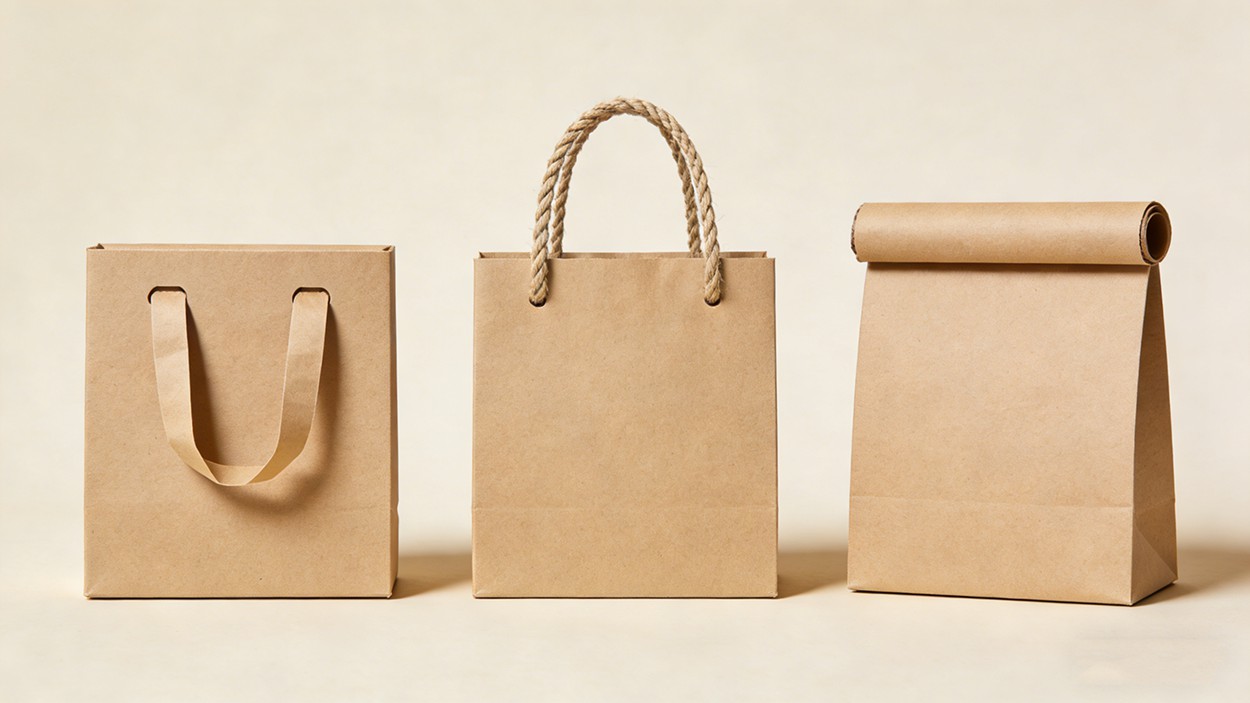
- Integrated & 'Handle-Less' Handles: The handle evolves. Trends include die-cut 'ribbon handles' made from the bag's own body for perfect material unity, and woven paper cords made from recycled ledger paper, offering a dense, soft grip. The most avant-garde designs eliminate external handles altogether, using reinforced, rolled tops that are comfortable to carry.
2026 Material Forecast: A new class of 'smart responsive' papers will emerge. These materials might change texture (from smooth to slightly grippy) when bearing weight or incorporate thermochromic inks that reveal patterns with the warmth of a hand.
03 Visual Dialectic, The Duality of Expression
Visual design in 2026 embraces Contextual Contrast. The most successful designs will skillfully balance two opposing aesthetics to create depth and memorability.
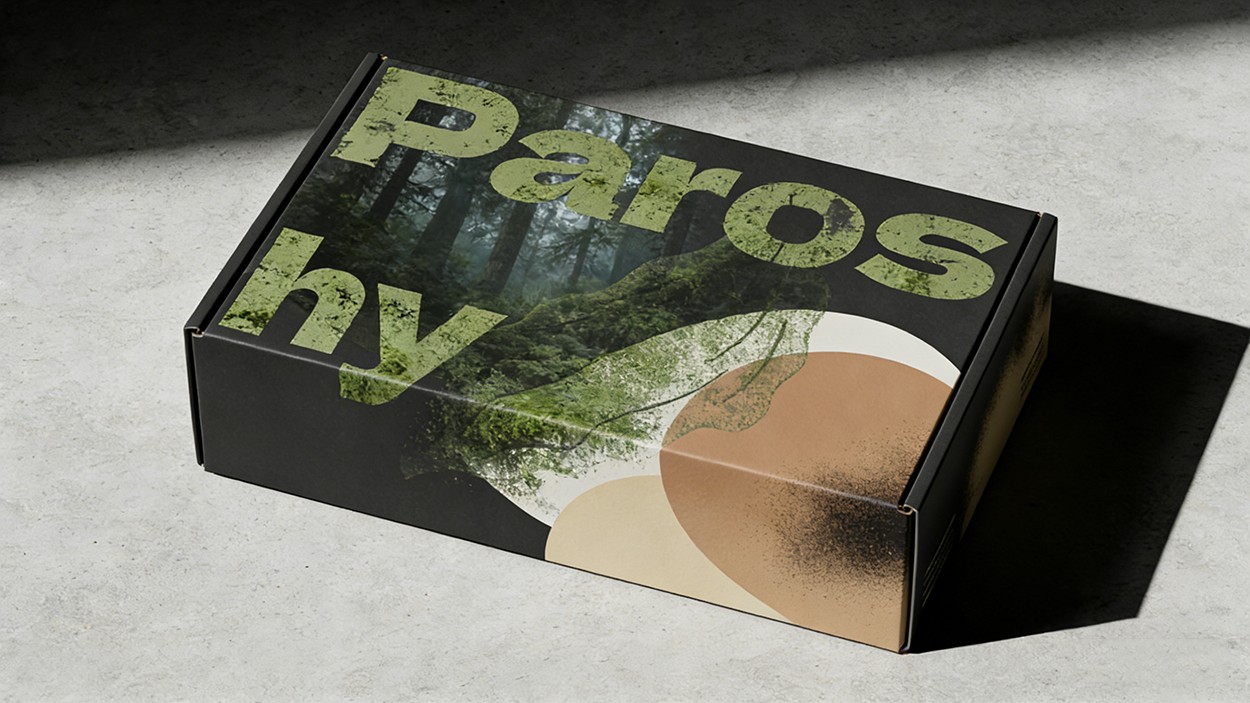
- Brutalist Typography Meets Ethereal Graphics: Heavy, monolithic sans-serif type (reminiscent of Brutalist architecture) will be juxtaposed with ghostly, fine-line illustrations or abstract washes of color. This contrast creates striking visual tension and a distinctly modern, artistic feel.
- Hyper-Detailed Realism vs. Digital Glitch: Expect to see meticulously illustrated natural elements—a single feather, a leaf—placed beside intentional digital 'glitches' or pixelated bursts. This trend speaks to the coexistence of the natural and digital worlds in our lives.
- Sustainable Inks as a Design Element: The story of the ink becomes part of the design. Algae-based inks, which offer a uniquely muted, earthy color palette, or fruit-based pigments will be highlighted in the design narrative, often with a small icon or footnote explaining their origin.
2026 Application Spotlight: A tech company launching an eco-device might use brutalist typography for its logo, an ethereal graphic of a forest, and algae-based green ink, perfectly merging messages of strength, environmental consciousness, and innovation.
04 Functional Foresight, Interactive & Circular Systems
The pinnacle of 2026 design is the Circular Experience Bag. The bag is conceived not as an end product, but as the first step in a longer lifecycle, facilitated by interactive design.
- The 'Seed' Bag: The ultimate in circularity. Bags are embedded with wildflower seeds in a biodegradable laminate. Instructions on the bag guide the user to plant it directly in soil after use. The packaging literally transforms into flora, creating a powerful,闭环 narrative.
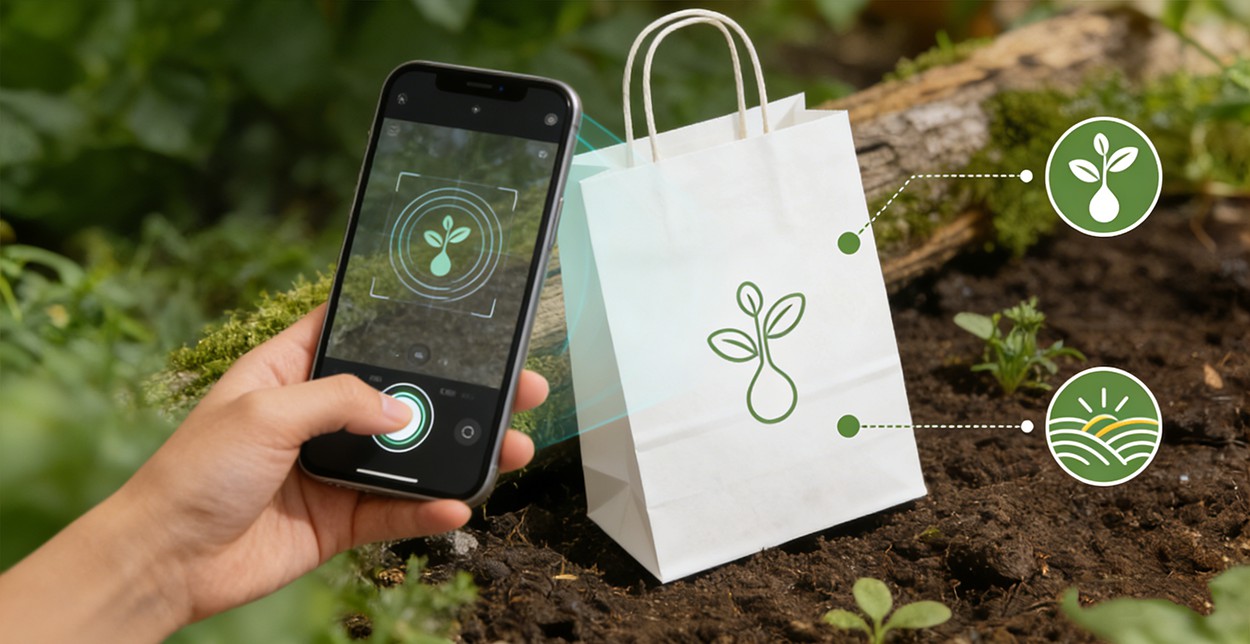
- AR-Triggered Story Windows: A simple, elegant icon on the bag acts as a trigger. When scanned with a smartphone, it launches an augmented reality experience—not just a generic brand video, but perhaps the story of the product's artisan maker, or a tutorial on how to reuse the bag creatively.
- Built-In Conversion Kits: The bag will include subtle, pre-scored lines and clear pictograms showing how to convert it into a desktop organizer, a plant pot holder, or a lampshade. The required additional tools (like a simple cord) might be included in a small, attached pocket.
2026 Application Spotlight: A premium organic tea brand's bag, made from seeded paper, has AR markers that show the tea fields when scanned. After use, the bag can be planted to grow chamomile, or folded using its pre-scored lines into a small box for storing the tea sachets.
05 The Green Standard, Beyond Compliance
In 2026, sustainability is the non-negotiable baseline. Leadership will be defined by Radical Transparency and Net-Positive Goals.
- Blockchain-Verified Footprints: QR codes will link to a blockchain-powered ledger showing the bag's entire journey: forest of origin, pulp mill energy source, carbon emitted during transport, and recycling facility. This provides undeniable proof of claims.
- Chemical-Free Deconstruction: The focus will shift to ensuring bags are not just recyclable, but optimized for recycling. This means using single-material constructs (avoiding plastic liners) and water-based adhesives that break down easily in repulping mills, creating a cleaner recycled fiber stream.
- Net-Positive Materials: Pioneers will adopt materials that actively benefit the environment. This includes paper made from regenerative agriculture crops that improve soil health, or bags coated with a lichen-based substance that purportedly absorbs amounts of airborne pollutants.
The 2026 kraft paper bag is a multi-sensory communicator, a functional object with a planned future, and a testament to radical transparency. It forges a deeper, longer-lasting connection by appealing to our senses, our ethics, and our creativity.
The most profound shift is conceptual: the bag is no longer a 'waste stream' to be managed, but an 'asset in transit'—carrying a product first, and then offering its material as a resource for the user's own story. In this final stage of its journey, value is not depleted but transformed, completing a cycle where thoughtful design echoes long after the first use.









Your love is the driving force that keeps me writing.
YouArticle
已有0人推荐
Article recommendation
How to Choose the Right Pizza Box Material & Thickness — A Complete Guide
Paper Bag Printing Methods Explained: Flexo, Offset, Gravure, Digital, Screen & More
Handle Broken? Here’s How to Fix Weak Bag Handles (Kraft, Cardboard, or Custom)
Food-Grade Paper Cups | Custom Printed & Eco-Friendly
Inside Our Quality Lab — How We Test Every Batch of Custom Paper Bags & Boxes
