WELCOME TO DEOM
Benefit from exclusive offers, updates & more by joining ournewsletter
 GOOFY PACKING
Scenario Solutions: A Complete Guide to Gift Paper Bag Material Selection for Weddings, Cosmetics, Fashion, and More
2026-01-14 15:38:48
Click:
Scenario Solutions: A Complete Guide to Gift Paper Bag Material Selection for Weddings, Cosmetics, Fashion, and More
A gift paper bag is more than just packaging—it’s a vehicle for brand image and emotional connection. Selecting the right materials and techniques tailored to specific industries can turn packaging into a silent yet powerful brand ambassador. Below is a breakdown of material selection strategies across different sectors.
Wedding Industry: A Visual Feast of Romance and Elegance
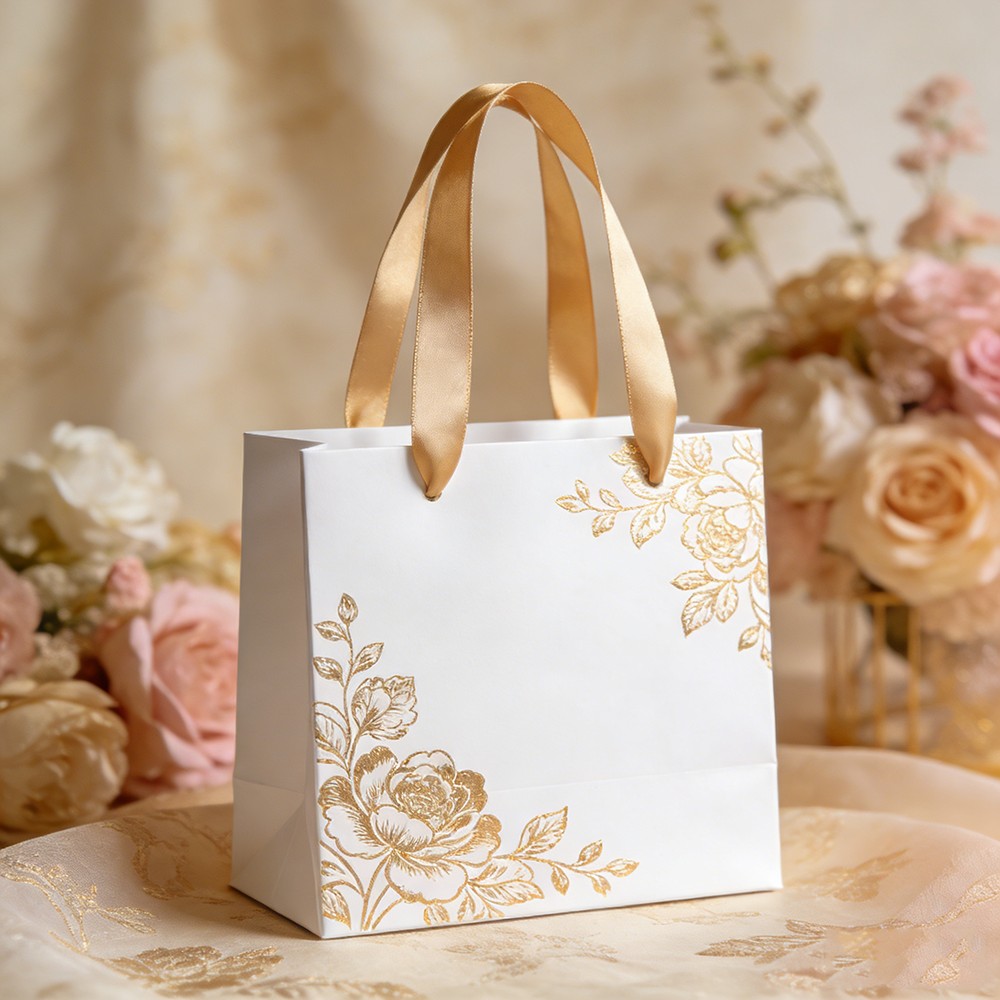
Paper bags for weddings carry the joy and blessings of the couple. Natural white or pearlescent white cardstock is recommended for its pure and soft base, complementing the sacred atmosphere of the ceremony. Gold or silver foil stamping adds delicate shimmer to logos or patterns, enhancing texture under light. Ribbon or tulle handles introduce a soft touch and sense of ceremony, allowing guests to feel the romance and attention to detail. Designs often feature floral motifs, bows, or lace, with color palettes dominated by light gold, champagne, and soft pink to convey elegance and happiness.
Cosmetics Industry: Vibrant and Refined Tech-Aesthetic Appeal
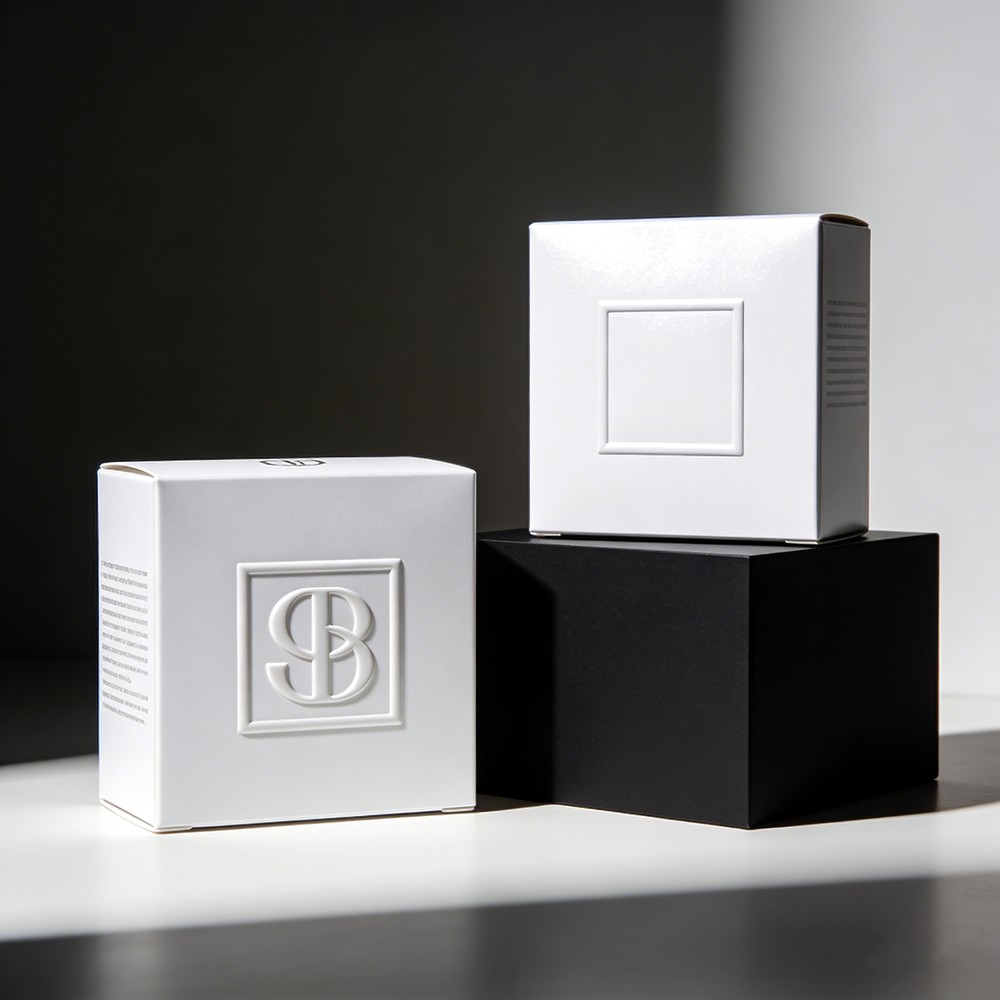
Cosmetics rely heavily on visual appeal, requiring packaging that exudes premium quality and innovation. High-brightness white cardstock (e.g., 300g) offers excellent smoothness and whiteness, providing an ideal canvas for printing. Gloss lamination enhances surface shine, durability, and water resistance. High-precision CMYK or spot color printing ensures accurate color reproduction and detail clarity. Techniques like spot UV or embossing can add tactile depth. The design should be clean and modern, highlighting the brand logo and product imagery to communicate professionalism and style.
Fashion Apparel Industry: Minimalist, Durable Brand Extension
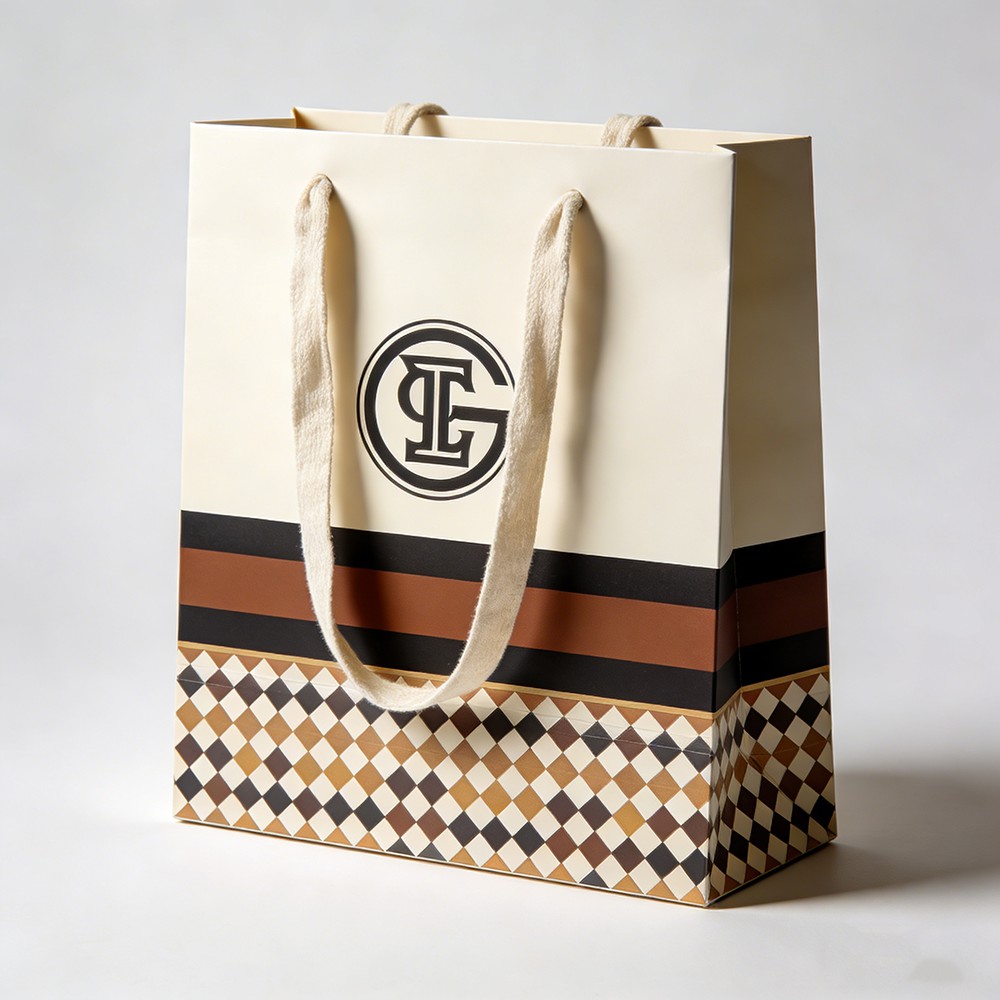
Paper bags in fashion must balance practicality and brand identity. Thick cardstock (300g or above) or art paper is preferred for its sturdy feel and load-bearing capacity, suitable for holding clothing items. Designs should be simple yet bold, avoiding excessive decoration. Focus on brand logos, classic color blocks, or geometric patterns to embody a “less is more” aesthetic. Techniques like embossing, silk-screen printing, or matte lamination can create understated luxury. Wide cotton handles or thick paper cords improve comfort and durability, encouraging reuse and turning bags into walking advertisements.
Beverage & Bakery Industry: Safe and Functional Temperature Guardians
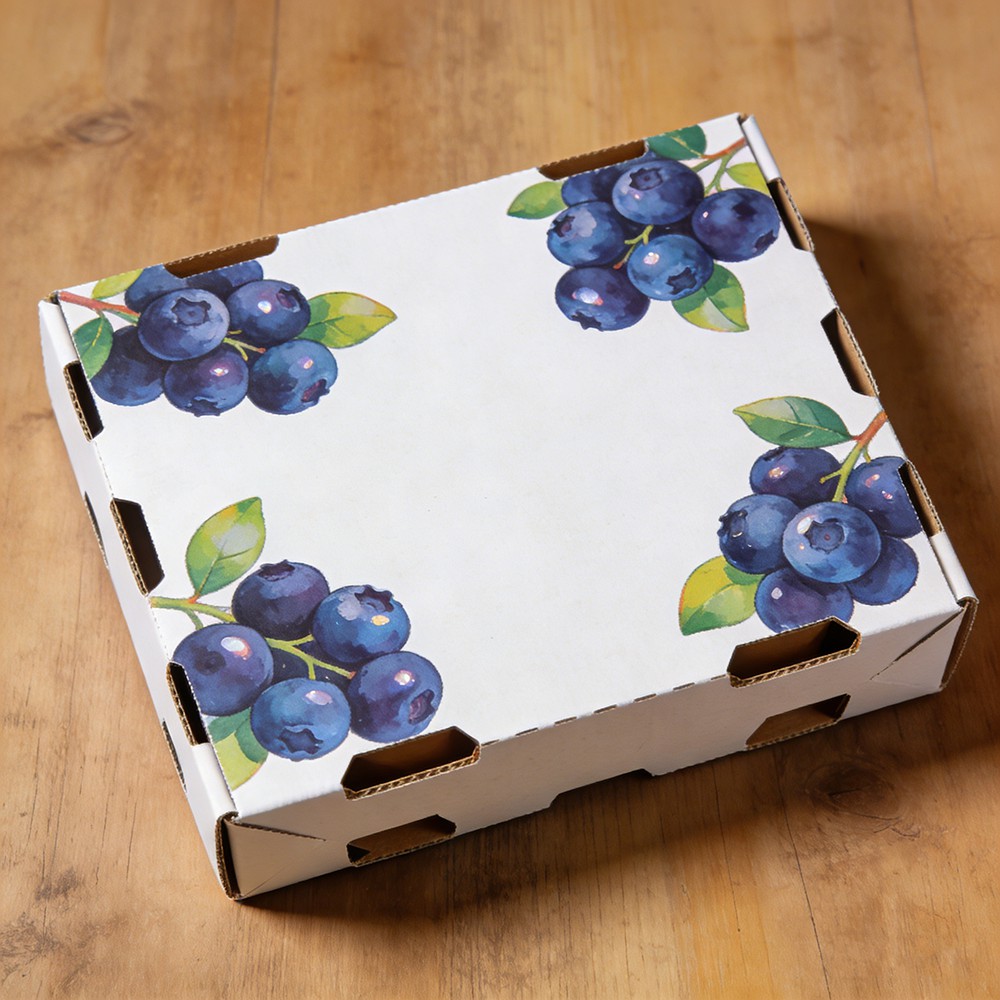
For food-related packaging, safety and functionality are paramount. Materials must meet food-grade safety standards, such as virgin wood pulp cardstock or laminated paper with oil- and water-resistant inner coatings to prevent seepage. Structural reinforcement at the base and corners ensures durability under weight and temperature variations. Designs can be fresh and playful, using food illustrations or bright colors to stimulate appetite. Clear eco-certifications and safety labels should be displayed to communicate health and trust.
Selecting materials and designing gift paper bags is essentially a dialogue between the brand and its users. From the romance of weddings to the precision of cosmetics, the minimalist durability of fashion, and the safety-first approach for food—every detail should reflect industry traits and user expectations. Let packaging go beyond containment and become a highlight of the experience, silently conveying brand value.









Article recommendation
How to Choose the Right Pizza Box Material & Thickness — A Complete Guide
Paper Bag Printing Methods Explained: Flexo, Offset, Gravure, Digital, Screen & More
Handle Broken? Here’s How to Fix Weak Bag Handles (Kraft, Cardboard, or Custom)
Food-Grade Paper Cups | Custom Printed & Eco-Friendly
Inside Our Quality Lab — How We Test Every Batch of Custom Paper Bags & Boxes
